THE DETAIL TO KEEP
Pharmacy listing, clinical evaluation and FDA approval are separate questions.
Sections in this fieldnote
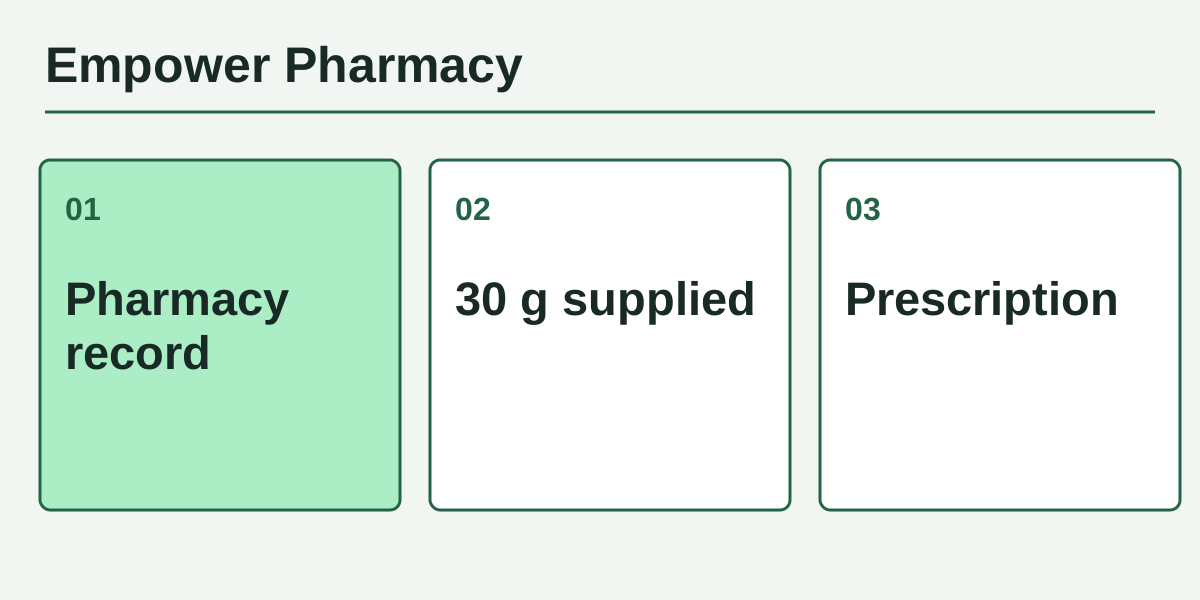
Empower Pharmacy's GHK-Cu Facial Serum page is a pharmacy product record. It is not, by itself, an all-in telehealth membership or a promise that every reader can order a selected strength. That distinction is central to comparing it with provider-led cream offers elsewhere in this library.
The official record captured October 5, 2026 lists a 30 g facial serum with 0.5%, 1%, and 2% strength options and identifies availability through a 503A pharmacy. We did not submit a prescription, receive a price quote, inspect a dispensed package, or independently audit the pharmacy. This file reads the public product information within those limits.
A catalog of strengths is not a self-selection guide
The three listed concentrations describe options in the pharmacy record. They do not establish that a reader should choose the largest number, that all three are appropriate for the same person, or that one is clinically superior. The prescribing clinician must evaluate the actual treatment question rather than relying on a publication's ordering of products.
Keep the percentage attached to the precise preparation name. Our percentage and label fieldnote explains why a number without identity and context becomes a poor comparison tool. A pharmacy's ability to list a preparation also does not settle the medical decision about whether it should be prescribed.
Thirty grams describes the supplied unit
The recorded 30 g is a mass, not a 30 mL volume and not automatically a month's supply. Converting grams to milliliters would require information this review has not established. Estimating a usage period would also require the actual directions and amount applied, rather than a generic assumption about facial serums.
That unit matters when comparing the page with a retail bottle or a subscription plan. Keep the mass as written and ask what the prescribed order will contain. Our cream-versus-serum guide helps separate format from quantity; a product called serum can still require a more precise description of its vehicle and dispensing instructions.
Ask for the complete proposed formulation
GHK-Cu is the headline ingredient, but the preparation includes a surrounding base. Request the complete active and inactive information for the actual prescription, particularly if there is an ingredient you need to avoid. A general explanation of copper peptides cannot answer a question about a preservative, fragrance component, or another part of the vehicle.
We have not independently confirmed a lot-specific assay, stability result, or the exact package that would be supplied. Those are not details that should be inferred from a product photograph or from the formula of another pharmacy. The record should follow the prescription and dispensing label, not a collection of assumptions gathered from similar products.
The price needs a separate quote
The checked pharmacy information does not establish a universal patient price including clinical care, shipping, and every other possible charge. A useful quote should distinguish the medication from any provider fees and identify the supplied amount. It should also explain whether a refill requires a new authorization or another payment arrangement.
The Defy Medical pathway review illustrates why the clinical service and pharmacy product should be read separately. Neither file establishes that every reader will use the same combination of services. The CoreAge Bounce Back file offers another buying route to compare, with its own advertised terms and unresolved preparation details.
Read administration information in its proper role
Empower's page includes administration and pump-related information. That material can support understanding of the pharmacy's product, but it does not replace the directions attached to a specific prescription. If the received label differs from a general web page, ask the pharmacist or prescriber to reconcile the difference before improvising a new application routine.
This publication has not tested the pump or measured the amount dispensed by a particular package. A fixed number of pumps should therefore not be converted here into an independently verified mass or dose. The relevant source is the actual dispensing information for the preparation being used.
Keep the compounding and evidence questions separate
FDA explains that compounded drugs are not FDA-approved. That regulatory distinction is separate from the question of whether a particular ingredient has been studied. An ingredient reference does not establish approval of this preparation, and a pharmacy quality statement is not the same thing as an independent appraisal of a finished-product trial.
We did not establish a controlled comparison showing that the current facial serum outperforms the other reviewed products. Read the skin-evidence fieldnote for the questions that would make such a comparison meaningful. Then use the label lens to keep the chosen preparation, supplied mass, complete quote, and remaining evidence questions together for the clinician and pharmacist.
SOURCE NOTES
What this record draws on
- Empower Pharmacy — GHK-Cu Facial Serum ↗
Official pharmacy record lists GHK-Cu 0.5%, 1% and 2%; no self-selection recommendation. No universal patient price or all-in telehealth fee established; request a complete quote. Pharmacy listing, clinical evaluation and FDA approval are separate questions. Accessed 2026-10-05.
- FDA — Risks of compounded drugs ↗
Explains lack of FDA approval and premarket review for compounded drugs. General guidance, not a pharmacy inspection report. Accessed 2026-09-25.
- FDA — Cosmetic, drug, or both? ↗
Explains intended use, product claims and the distinction between cosmetics and drugs. No separate legal category for cosmeceuticals. Accessed 2026-09-25.
Individual source access dates are recorded above. Prices, stock, labels, and directions can change. How we review.